Crazy Circles: How One Family Bet the Farm on Soap and Lost It All
MANUSCRIPT IN PROGRESS
“My parents died believing they had failed at the very thing that made them Americans – the achievement of some kind of amorphous dream of “financial independence.” Their failure was not, as they believed, due to lack of effort, smarts or luck. If hard work and luck alone really could produce the bounty they were promised, this would be a very different story.”
— Crazy Circles: How One Family Bet the Farm on Soap and Lost It All
Crazy Circles: How One Family Bet the Farm on Soap and Lost It All is a story of both tragedy and tenacity; of bad decisions and tough breaks in a family that worked so hard to hold it all together. It is a portrait of working-class life in Middle America that helps to illustrate many of the challenges, changes and complexities that are the foundation of today’s rural life.
What’s it about?
My family are farmers going back generation upon generation. They busted sod on stolen land. Before that, they scratched out a living as tenant farmers in Scotland and Germany, sending sons to the New World to avoid privation and conscription.
The 20th century brought with it a vast transformation of the way farming had been done for millennia. Wars, booms, busts, and 1,000 mile dust clouds pushed millions of farmers off the land before 1950.
By the mid-1970’s our family had purchased a farm in Decatur County, Iowa, in the midst of one of the largest agricultural booms in American history. We were flying high on good credit and high land values, expanding — spending money like water and fervently believing it would only get better.
But by 1980, that all came crashing down and our family lost everything almost overnight — our home, our business, our standing in the community — to bankruptcy.
My parents were desperate, lonely and broke. They looked for any way out they could find. That’s when some neighbors introduced them to a “business opportunity” with a company called Amway. They bit. Hard.
Seeing Amway as a way to recover — financially, socially and emotionally — they poured what little they had into trying to build a “business”selling laundry soap, toothpaste, and vitamins to friends and family. Most importantly, they worked to bring others into their “line” by selling them the same false promises they’d been sold.
Chasing the dream of Amway became a form of cult-like devotion for my parents, radically transforming the way they dressed, spoke, and even the kind of church we attended.
Their attempts to make Amway work were at times hilariously awkward, poignantly sad and even at times, dangerous.
Crazy Circles: How One Family Bet the Farm on Soap and Lost It All is a story of both tragedy and tenacity; of bad decisions and tough breaks in a family that worked so hard to hold it all together. It is a portrait of working-class life in Middle America that helps to illustrate many of the challenges, changes and complexities that are the foundation of today’s rural life.

When can I read it?
My memoir still being written but I am making progress and hope to have an agent and a publisher soon. Sign up for my newsletter for updates on my book or follow me on social media to stay in the loop as I keep moving forward.
If you are an agent or a publisher, let’s talk! Please reach out to me at the contact form below.
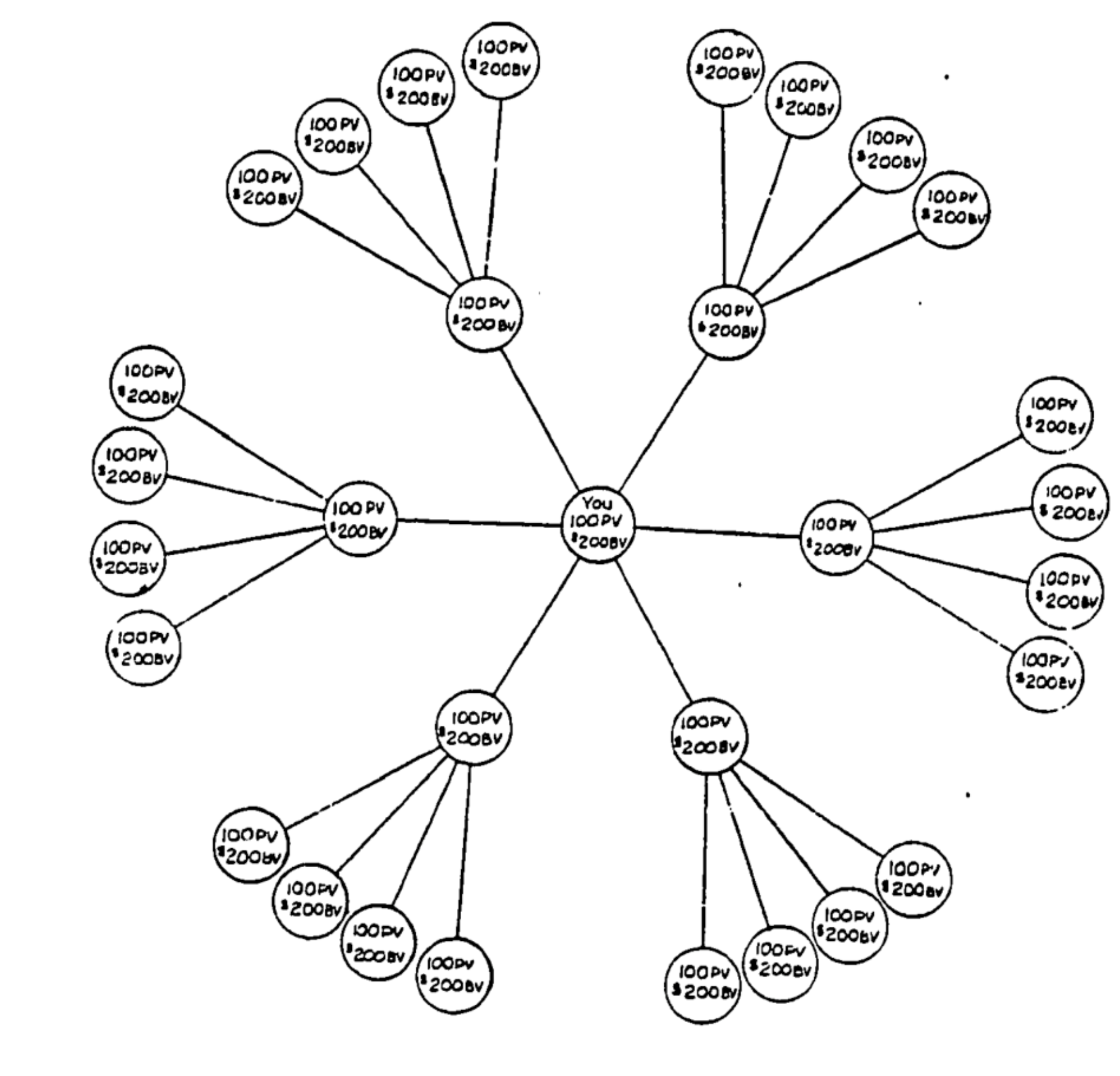
What are “Crazy Circles”?
In Amway-speak, Crazy Circles refers to the “business plan” their members present to potential recruits. In the 1970s, the Crazy Circles were drawn on chalkboards Amway members would tote into friends’ living rooms. By the 90s, they had switched to marker boards and today, “the plan” is presented like a pitch deck for a Silicon Valley startup — on an iPad or laptop.
But Crazy Circles describes more than just a business plan. For our family, Crazy Circles was how we lived our lives. Amway (short for The American Way) drove us further into poverty as my parents tried with all their might to work it as a full-time business, leading to more desperate behaviors, more wild schemes and ploys to try to sell and recruit, and more magical thinking that kept us from cutting our losses and moving on.
Crazy Circles is also a way to describe the many financial traps that target working class people in our country — often literal business plans created to keep low income people tied to dead-end jobs, blocked from accessing capital for homes and businesses of their own, and caught on a treadmill of barely getting by.
I can’t wait for you to read Crazy Circles: How One Family Bet the Farm on Soap and Lost It All
(please note: this is a working title and it may change by publication)